Let's Rethink How Crops
Use Their Energy
Let's Rethink How Crops Use Their Energy
Climate stress is an energy problem. Crop performance doesn't have to be.
How Crops Lose Their
Energy to Stress
How Crops Lose Their Energy to Stress
How Crops Lose Their Energy to Stress
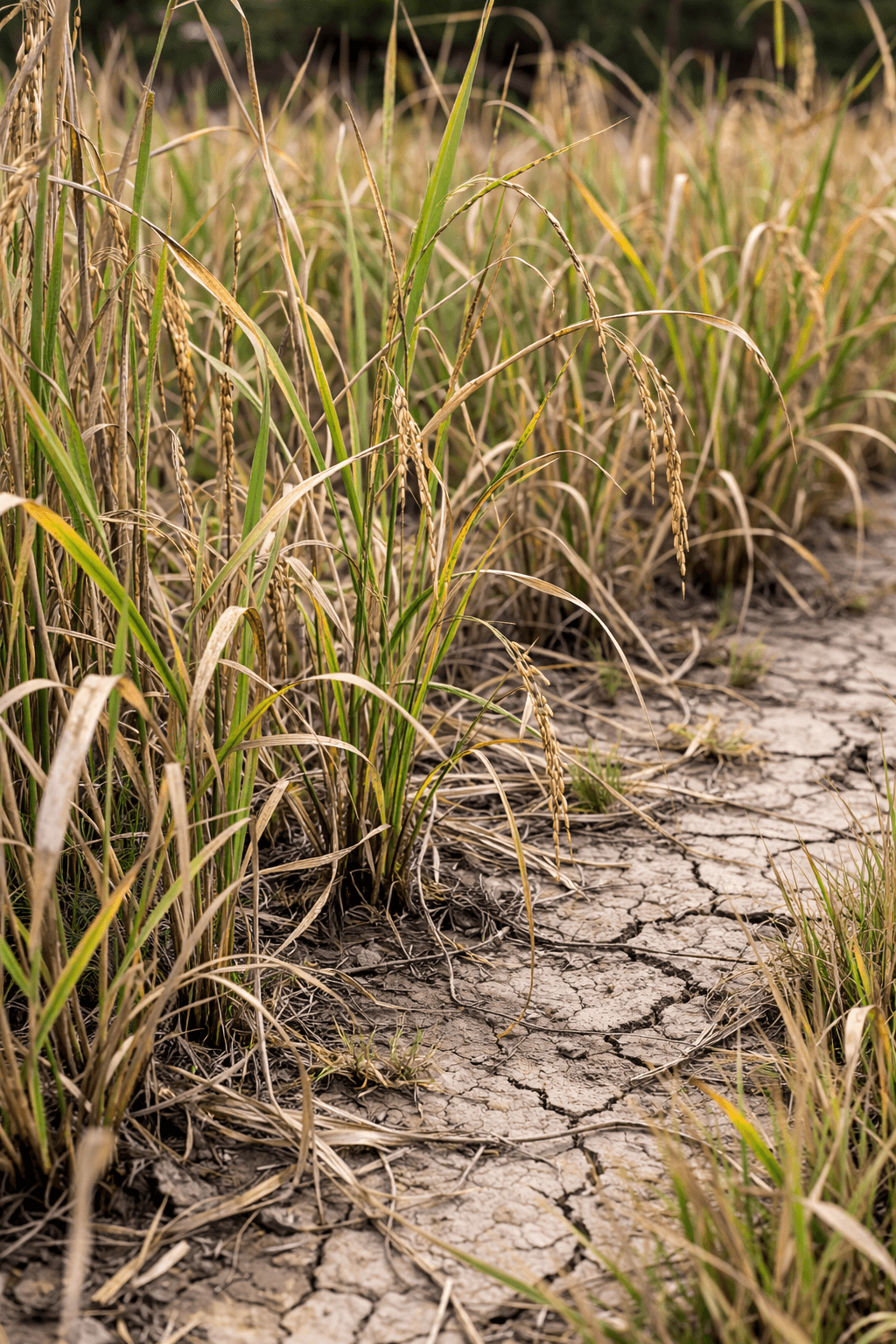
When temperatures rise, or as soil salinity increases, crops divert their energy to stress defense. The result is lower yields, and lost farmer revenue.
When temperatures rise, or as soil salinity increases, crops divert their energy to stress defense. The result is lower yields, and lost farmer revenue.
When temperatures rise, or as soil salinity increases, crops divert their energy to stress defense. The result is lower yields, and lost farmer revenue.
In rice, each +1°C at night can reduce yield by ~10%.
In rice, each +1°C at night can reduce yield by ~10%.
In rice, each +1°C at night can reduce yield by ~10%.
What We’re Building
Our gene editing approach improves how crops use their energy across climate conditions, from normal growing seasons to heat and salinity stress.
More energy to yield. Less lost to defense.
Conventional
Stress is damage
Plants react defensively
to survive.
Energy to defense
Growth and reproduction
are sacrificed.
Yield is lost
Performance declines, revenue falls.
Performance declines, lowering farm revenue.
Designed to produce
Plants built to perform,
not just survive.
Energy to growth
More energy directed
toward yield.
Yield is protected
Productivity maintained
across conditions.
Built for Yield Under Stress
Built for Yield Under Stress
First proven in rice.
Growth Over Defense
Growth Over
Defense
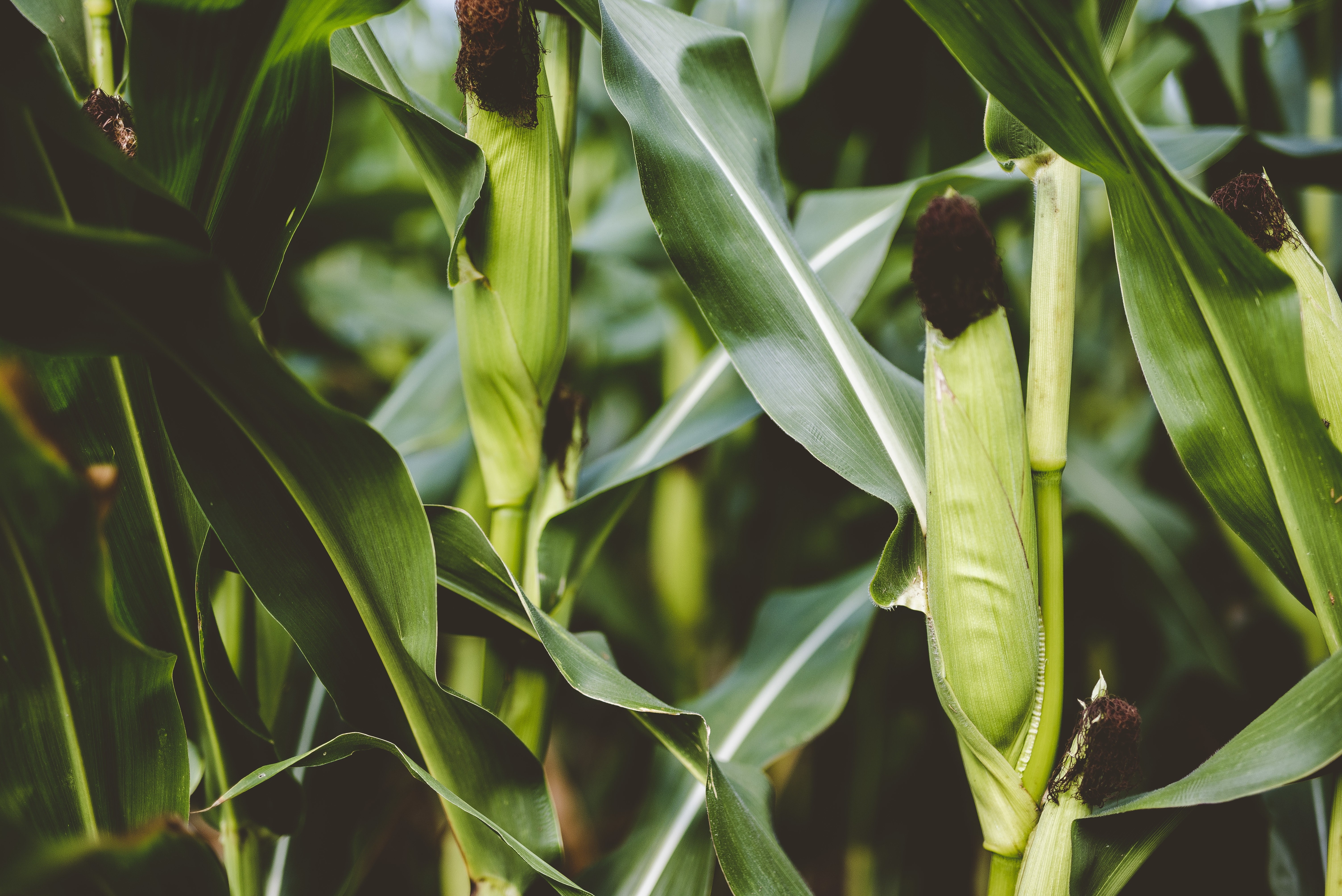
We design how the plant prioritizes yield over defense.
System-Level Editing
System-Level
Editing
Multiplex gene editing targeting plant control
systems, not single genes.
Multiplex gene editing targeting plant control systems, not single genes.
Adaptable Across Environments
Works across climates and crops.
Shifting energy from defense to performance.
Shifting energy from defense to performance.

From Lab to the Field
From Lab to the Field
Yield
Shifting the plant's energy
balance towards yield.
1.5× yield increase (greenhouse)
Grain quality maintained
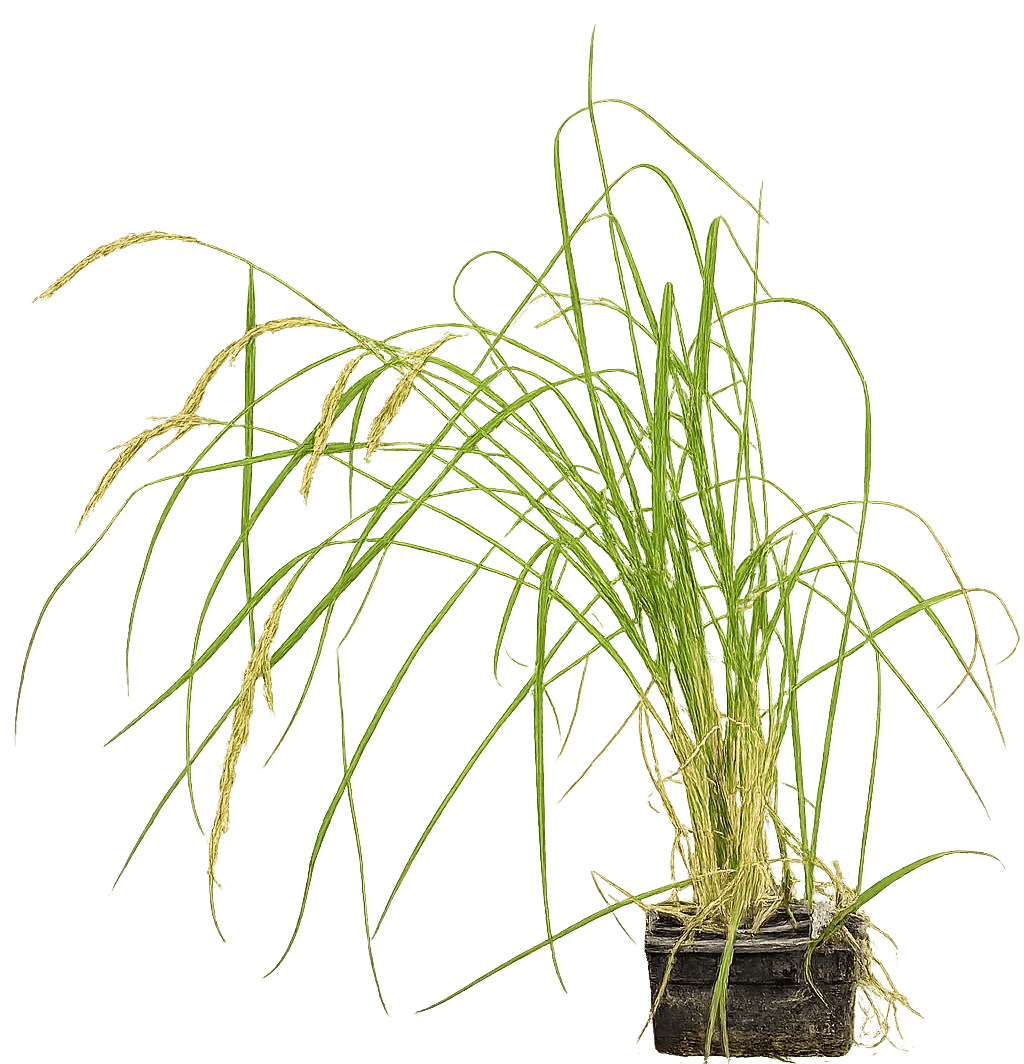
ALORA Greenhouse:
gene edited
vs
unedited
control
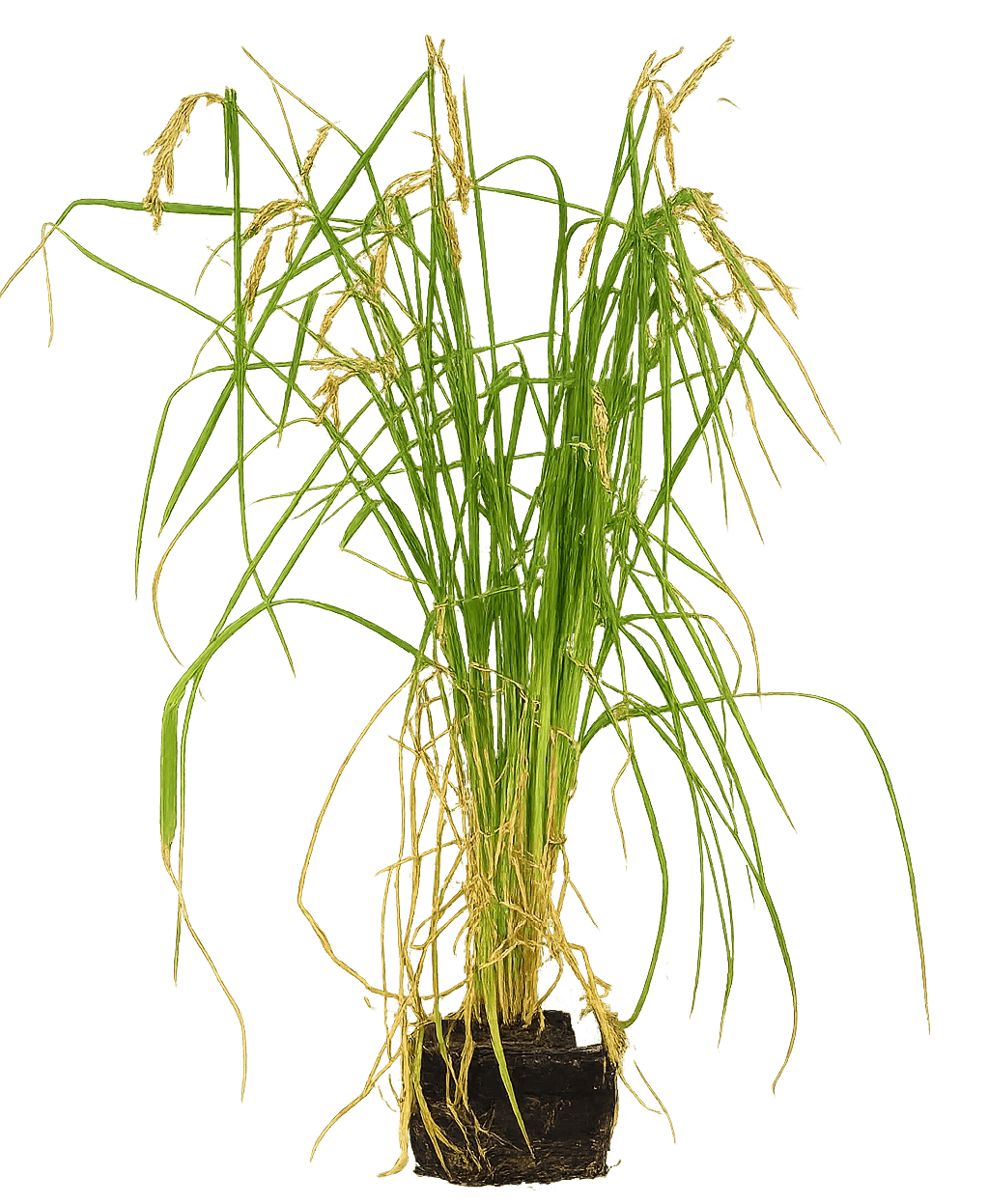
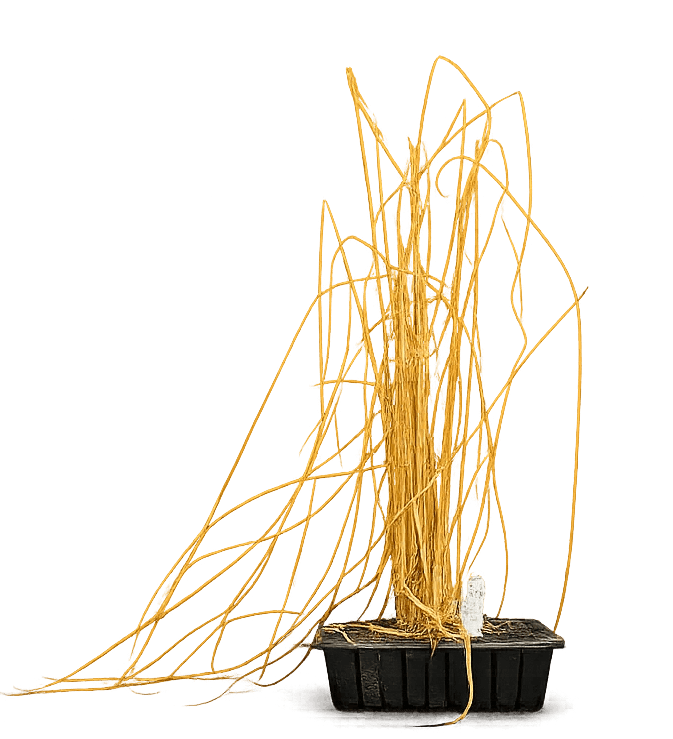
Salinity
Maintaining growth where unedited plants shut down.
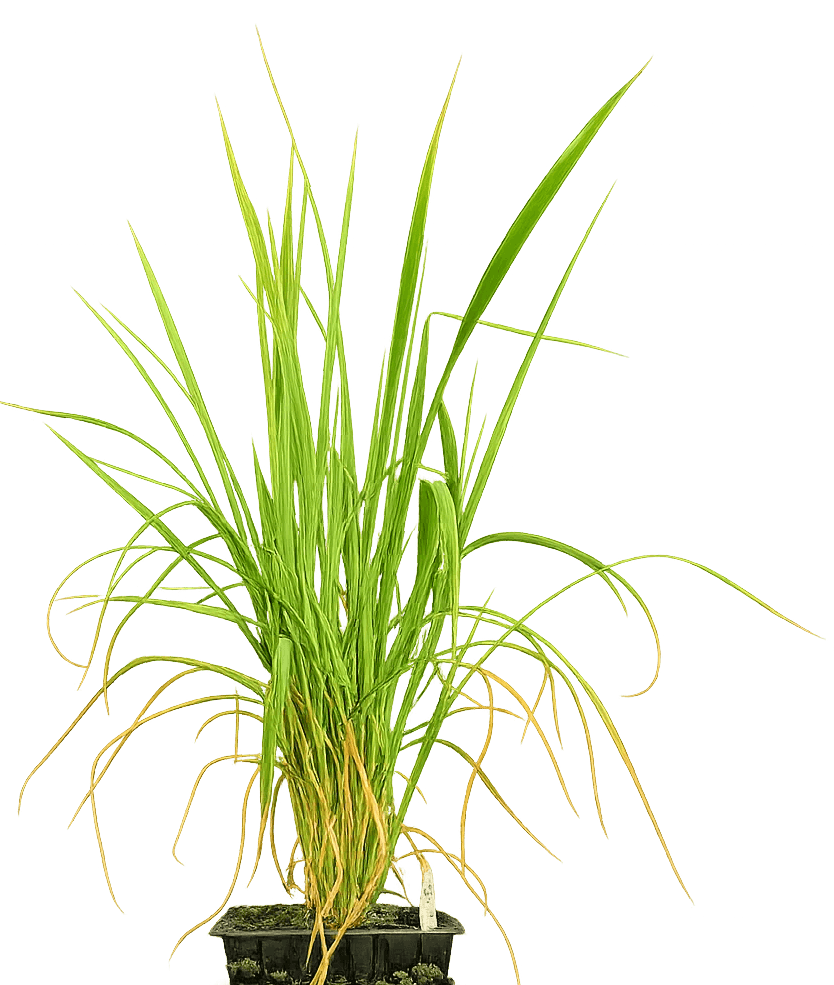
Salinity
100% survival (greenhouse)
under severe salinity
Maintaining growth where unedited
plants shut down.
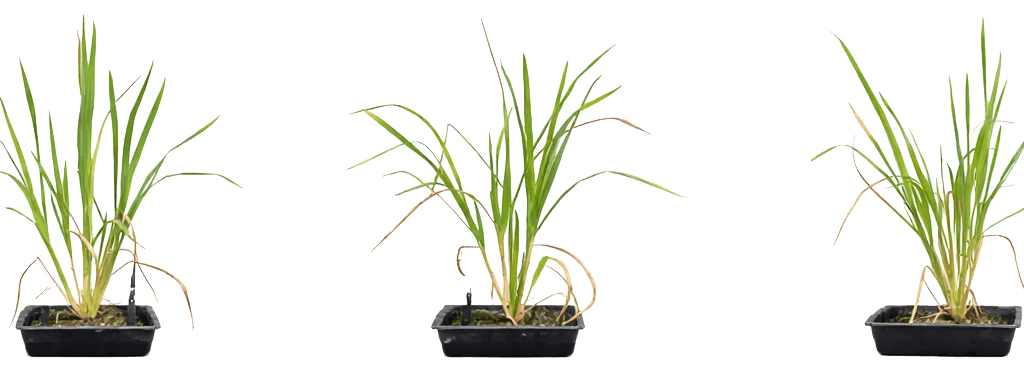
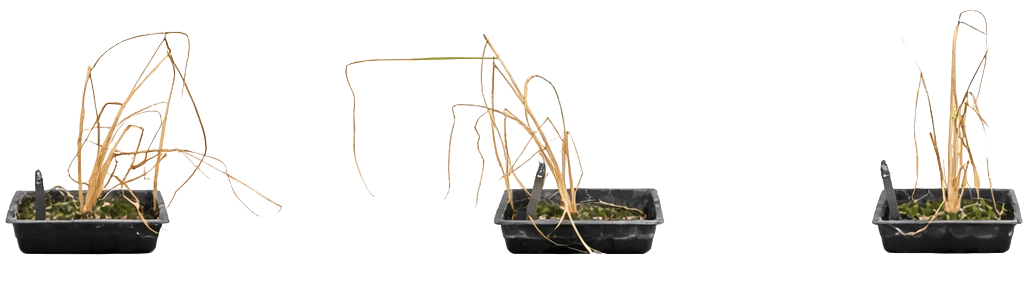
ALORA Greenhouse:
gene edited
vs
unedited
control
Yield
1.5× yield increase (greenhouse)
Grain quality maintained
Shifting the plant's energy balance
towards yield.
Alora edit
Control
ALORA Greenhouse:
gene edited
vs
unedited
control
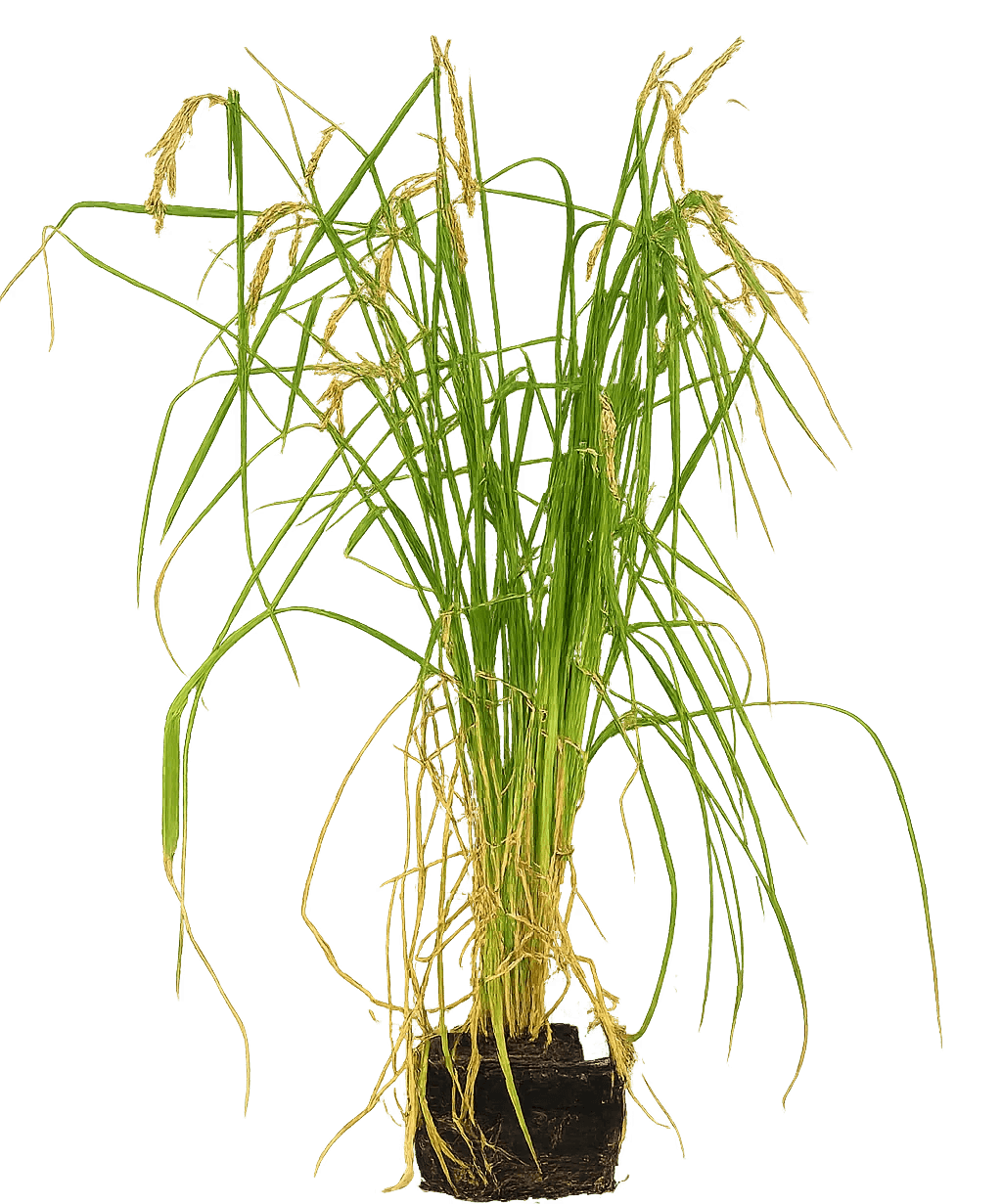
Field trials (2025, UK) confirmed the trait translates to open-field conditions, with edited lines outperforming controls across all measured yield indicators.
Heat
2–4× yield vs controls (greenhouse)
Under extreme heat stress
Turning excess heat energy into yield.
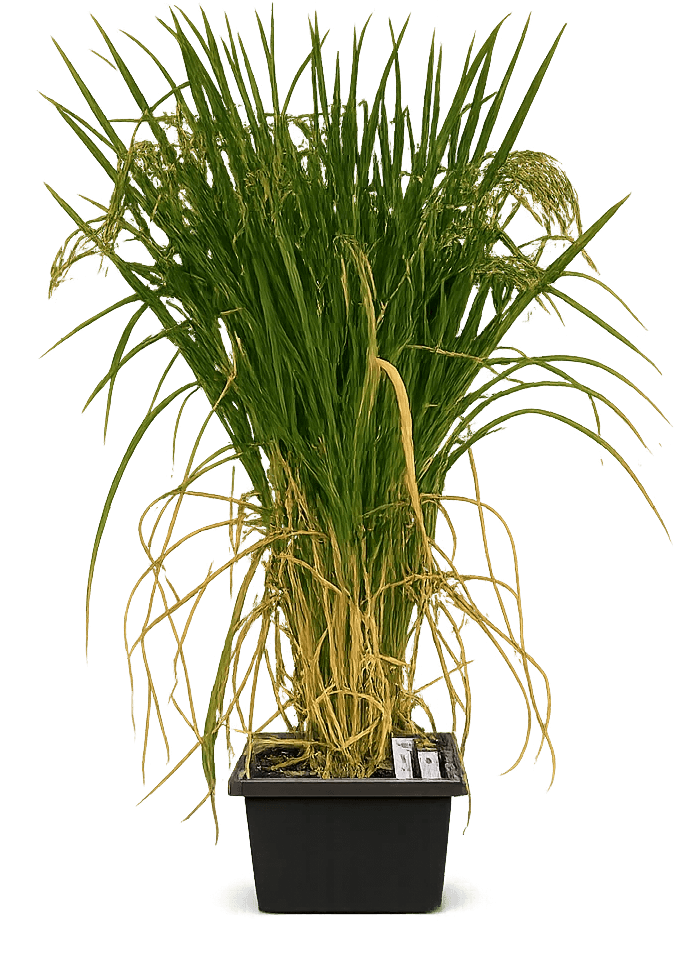
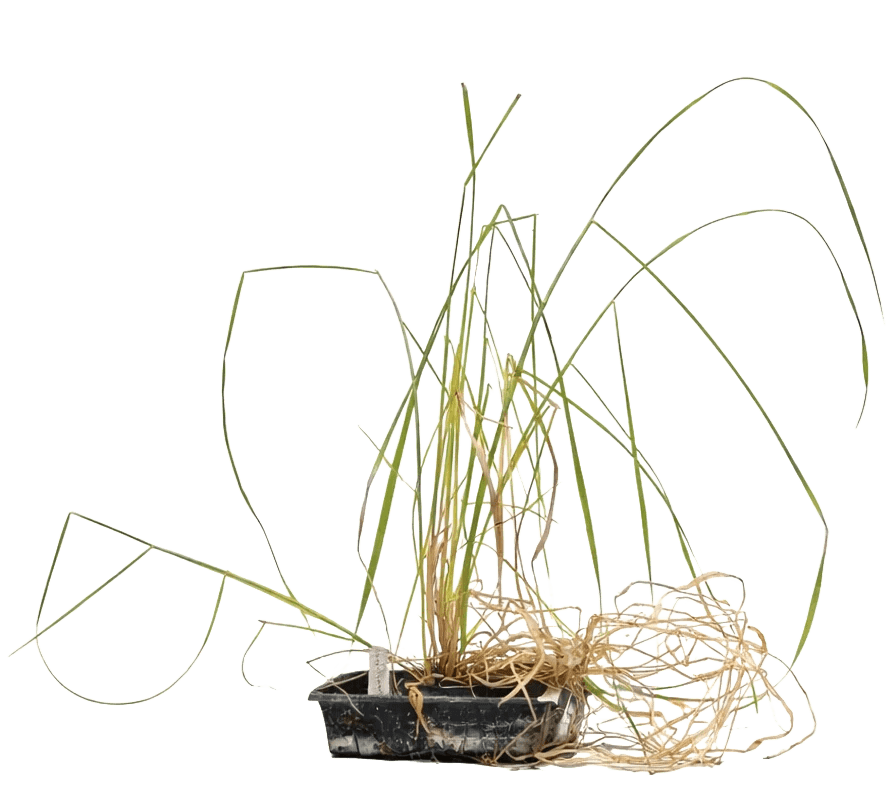
ALORA Greenhouse:
gene edited
vs
unedited
control
Heat
2–4× yield vs controls (greenhouse)
Under extreme heat stress
Turning excess heat energy into yield.
ALORA Greenhouse:
gene edited
vs
unedited
control
Yield
1.5× yield increase (greenhouse)
Grain quality maintained
Shifting the plant's energy balance towards yield.
ALORA Greenhouse:
gene edited
vs
vs
unedited
control
Field trials (2025, UK) confirmed the trait translates to open-field conditions, with edited lines outperforming controls across all measured yield indicators.
Salinity
100% survival (greenhouse)
under severe salinity
Maintaining growth where unedited plants shut down.
ALORA Greenhouse:
gene edited
vs
unedited
control
All results from controlled greenhouse trials unless noted. 2025 open-field trial conducted in the UK. Multi-location field trials planned for 2026. ALORA’s products are non-GMO.
All results from controlled greenhouse trials unless noted. 2025 open-field trial conducted in the UK. Multi-location field trials planned for 2026. ALORA’s products are non-GMO.
All results from controlled greenhouse trials unless noted. 2025 open-field trial conducted in the UK. Multi-location field trials planned for 2026. ALORA’s products are non-GMO.
Develops gene-edited crop traits designed to improve how plants use energy, increasing yields under climate stress.
Develops gene-edited crop traits designed to improve how plants use energy, increasing yields under climate stress.
Our work spans yield, heat, and salinity tolerance, validated through controlled environment
research and field trials, with primary operations in the United Kingdom at the Norwich Research Park.
Our work spans yield, heat, and salinity tolerance, validated through controlled environment research and field trials, with primary operations in the United Kingdom at the Norwich Research Park.
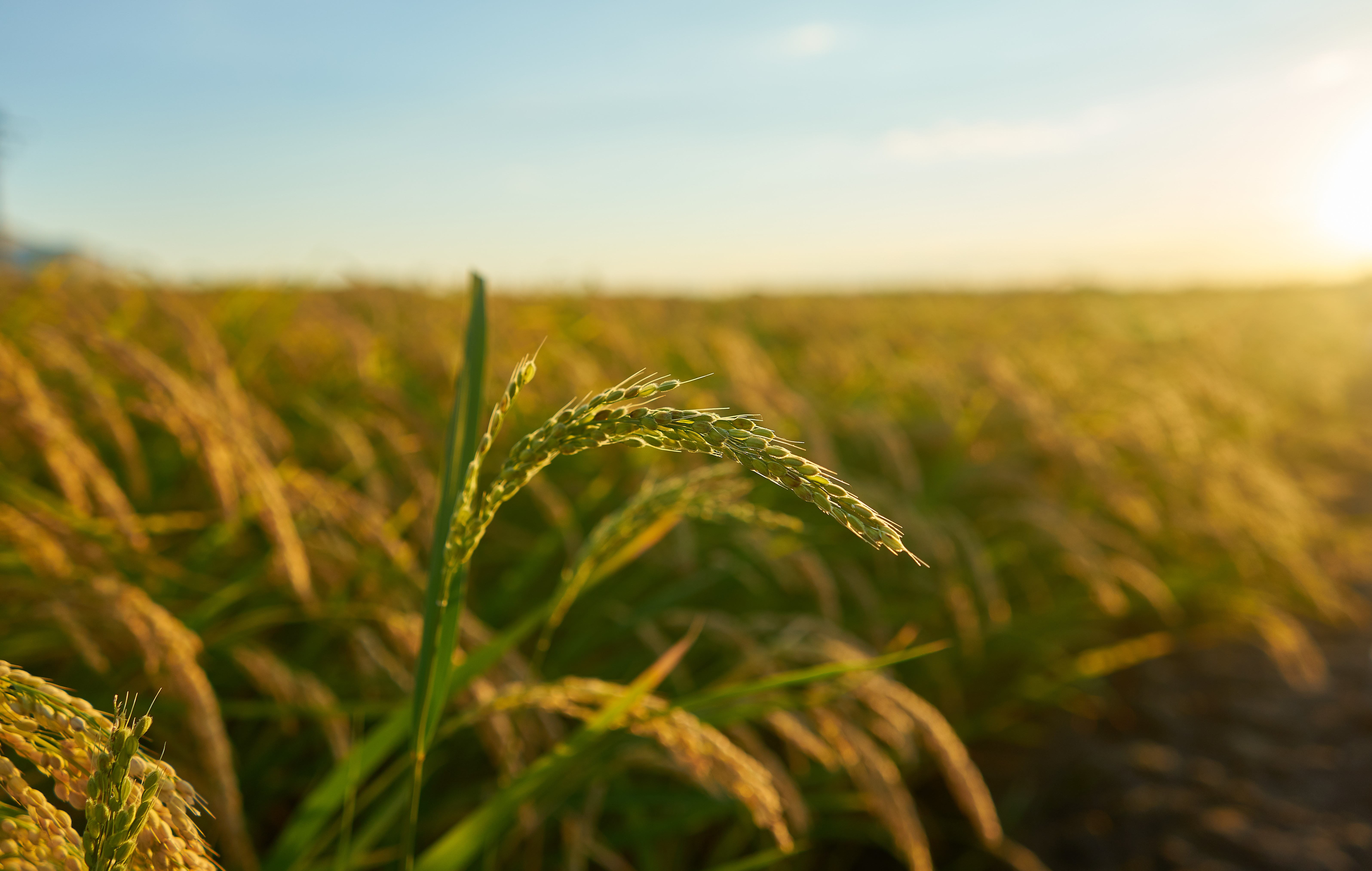
Develops gene-edited crop traits designed to improve how plants use energy, increasing yields under climate stress.
Our work spans yield, heat, and salinity tolerance, validated through controlled environment research and field trials, with primary operations in the United Kingdom at the Norwich Research Park.
Team
Investors
Culture
Meet Our Team
We have a skilled team with diverse expertise across genetics, plant biology, crop science, agronomy, and commercializing agricultural biotechnology.



Team
Investors
Culture
Meet Our Team
We have a skilled team with diverse expertise across genetics, plant biology, crop science, agronomy, and commercializing agricultural biotechnology.
Team
Investors
Culture
Meet Our Team
We have a skilled team with diverse expertise across genetics, plant biology, crop science, agronomy, and commercializing agricultural biotechnology.
Let's Solve
This Together
Let's Solve This Together
Whether you're exploring trait partnerships or evaluating climate-adaptive agriculture, we'd like to hear from you.